


Designer resale is changing how people shop for luxury fashion, offering access to premium brands at a fraction of retail cost and shaping a greener future for style lovers. Here is something surprising—luxury items in the resale market often cost 50-70% less than their original price. Most people assume secondhand shopping is risky or low-end, but in reality, expert authentication and new technology have made finding genuine designer treasures easier and safer than ever.
Table of Contents
- What Is Designer Resale And How Does It Work?
- Why Investing In Designer Resale Matters For You
- The Economic Benefits Of Buying Designer Resale
- Sustainability And Ethical Fashion In Designer Resale
- Understanding The Designer Resale Market Trends
Quick Summary
| Takeaway | Explanation |
|---|---|
| Designer resale offers authenticated luxury items. | Buyers can trust the authenticity as items are rigorously verified by experts before being sold. |
| Luxury pieces can appreciate in value. | Certain designer items may increase in value, presenting potential financial benefits over time. |
| Sustainable fashion reduces environmental waste. | Engaging in designer resale supports sustainability by extending the life of luxury items and minimizing waste. |
| Access luxury at 50-70% less than retail. | Resale allows consumers to purchase high-quality designer pieces without the hefty price tag associated with new items. |
| Younger generations drive resale market growth. | Millennials and Gen Z prioritize sustainability and value, significantly impacting their shopping preferences toward secondhand luxury. |
What is Designer Resale and How Does it Work?
Designer resale represents a dynamic marketplace where pre-owned luxury fashion items are bought and sold, offering fashion enthusiasts an opportunity to access high-end pieces at more affordable prices. This innovative approach transforms traditional retail by creating a sustainable ecosystem for designer clothing, accessories, and fashion items.
Understanding the Designer Resale Concept
Designer resale operates through a carefully curated process that ensures quality, authenticity, and value for both sellers and buyers. Unlike traditional secondhand shopping, designer resale platforms implement rigorous authentication procedures to guarantee the legitimacy of each item. Sellers submit their luxury pieces, which are then meticulously examined by expert authenticators who verify the item’s condition, origin, and overall quality.
Key characteristics of designer resale include:
- Authenticated luxury items from prestigious brands
- Competitive pricing compared to original retail costs
- Sustainable approach to fashion consumption
- Opportunity to own designer pieces at reduced prices
The Authentication and Verification Process
Authentication is the cornerstone of successful designer resale. Professional authenticators employ sophisticated techniques to verify each item’s genuineness.
These experts examine multiple elements including:
- Stitching quality and precision
- Material composition and texture
- Hardware and brand-specific details
- Serial numbers and unique identifying markers
- Provenance documentation
According to The RealReal, a leading luxury resale platform, their authentication process involves multiple expert inspections to ensure only genuine designer items enter the marketplace. This meticulous approach protects consumers and maintains the integrity of the designer resale ecosystem.
Below is a table that summarizes the key features and authenticating checkpoints used in the designer resale verification process, helping readers quickly identify how authenticity and quality are ensured.
| Authentication Feature | Description |
|---|---|
| Stitching Quality & Precision | Experts inspect seam work for craftsmanship and accuracy |
| Material Composition & Texture | Fabrics and leathers are checked for quality and feel |
| Hardware & Brand Details | Unique components are examined for brand-consistent features |
| Serial Numbers & Markers | Authentic items include brand-specific numbers and identifiers |
| Provenance Documentation | Papers and receipts support the item’s legitimacy |
By bridging the gap between luxury fashion and accessibility, designer resale provides a win-win solution for fashion lovers. Buyers can acquire coveted designer pieces at more approachable price points, while sellers can recoup value from their previously owned luxury items. The model simultaneously promotes sustainability by extending the lifecycle of high-quality fashion pieces, reducing waste, and challenging traditional consumption patterns.
Why Investing in Designer Resale Matters for You
Designer resale has transformed from a niche market into a strategic investment opportunity that offers fashion enthusiasts and savvy investors unique financial and personal advantages. Understanding the potential of designer resale goes beyond simple purchasing to creating a thoughtful approach to luxury fashion consumption.
Financial Value and Investment Potential
Investing in designer resale presents a compelling financial strategy that challenges traditional investment models. Certain luxury items, particularly designer handbags and rare accessories, can appreciate in value over time.
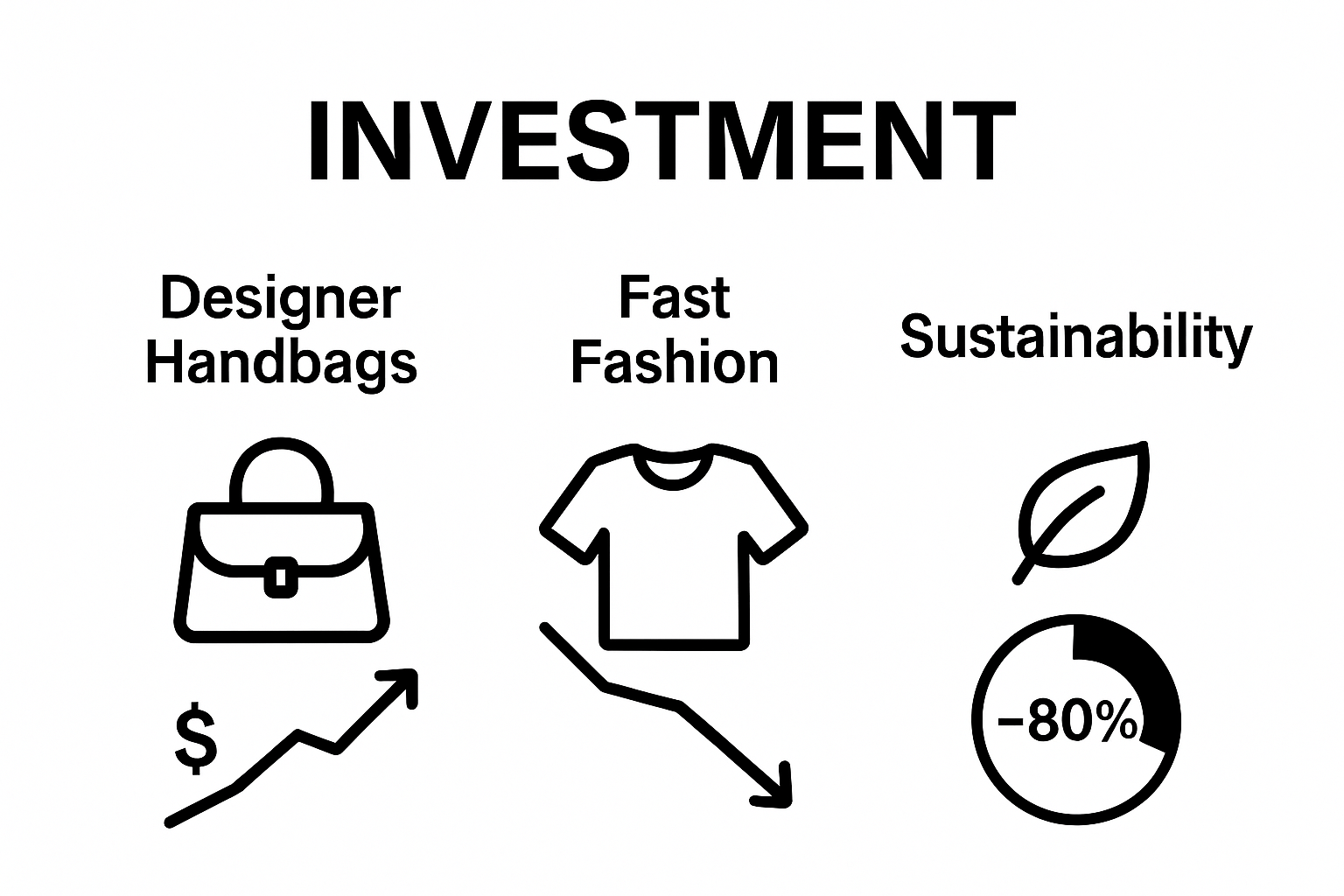
According to CNBC financial research, some designer pieces have demonstrated annual value increases that outperform traditional investment avenues like stock markets.
Key financial advantages of designer resale include:
- Potential for value appreciation
- Lower initial investment compared to traditional luxury markets
- Opportunity to diversify personal asset portfolios
- Reduced depreciation compared to fast fashion items
Sustainability and Personal Impact
Beyond financial considerations, designer resale represents a powerful statement about personal values and environmental consciousness. By participating in the resale market, individuals directly contribute to reducing fashion waste and challenging the traditional linear consumption model. The approach aligns with growing consumer preferences for sustainable and ethical fashion choices.
Environmental benefits of designer resale encompass:
- Extending product lifecycle
- Reducing textile waste
- Minimizing demand for new production
- Supporting circular economy principles
The designer resale market offers more than just a transaction. It provides a strategic approach to personal style, financial planning, and environmental responsibility. By understanding the nuanced value of pre-owned luxury items, consumers can make informed decisions that benefit their wardrobe, wallet, and the planet. Whether you are a fashion enthusiast, a conscious consumer, or a strategic investor, designer resale presents a multifaceted opportunity to engage with luxury fashion in a more meaningful and responsible manner.
The Economic Benefits of Buying Designer Resale
Designer resale represents a sophisticated economic model that provides substantial financial advantages for consumers seeking luxury fashion. By reimagining traditional retail approaches, this marketplace offers strategic opportunities for intelligent spending and value preservation.
Cost Efficiency and Value Proposition
Buying designer resale creates significant economic opportunities for fashion enthusiasts. Luxury items purchased through resale platforms typically cost 50-70% less than their original retail prices, enabling consumers to access high-quality designer pieces without the premium price tag. This approach allows individuals to build sophisticated wardrobes while maintaining financial prudence.
Key economic advantages of designer resale include:
- Substantial price reductions compared to retail
- Access to premium brands at more accessible price points
- Potential for future value retention
- Lower initial financial investment
Long-Term Financial Strategy
Designer resale transcends traditional consumption by offering a nuanced approach to luxury fashion investment. According to National Bureau of Economic Research, circular economy models in fashion create unique economic opportunities that benefit both consumers and the broader marketplace. Certain designer items, particularly from prestigious brands, can maintain or even appreciate in value over time.
Economic considerations for strategic resale purchasing include:
- Identifying brands with strong resale value
- Understanding market trends and collector demand
- Maintaining item condition for future potential resale
- Viewing luxury purchases as potential financial assets
The designer resale market represents more than a shopping alternative. It is a sophisticated economic ecosystem that empowers consumers to make intelligent fashion investments. By understanding market dynamics, authenticity verification, and value preservation, individuals can transform luxury fashion consumption from a simple transaction into a strategic financial decision that balances personal style with economic wisdom.
This table provides a comparison of the economic, environmental, and personal benefits of investing in designer resale versus traditional luxury shopping, clarifying their key differences.
| Aspect | Designer Resale | Traditional Luxury Shopping |
|---|---|---|
| Price | 50-70% less than retail | Full retail price |
| Authentication | Expert, multi-step verification | Brand-guaranteed (new items) |
| Value Over Time | Potential appreciation, stronger retention | Depreciates quickly, except for limited editions |
| Sustainability | Extends lifecycle, reduces waste | Increased demand for new production |
| Accessibility | Wider access to luxury brands at lower prices | Limited by high cost |
| Environmental Impact | Reduced textile waste, lower carbon footprint | High resource use and waste from new item production |
Sustainability and Ethical Fashion in Designer Resale
Designer resale represents a powerful movement toward sustainable fashion consumption, challenging traditional retail models and offering an environmentally conscious alternative to fast fashion. By extending the lifecycle of luxury items, this approach addresses critical environmental concerns while providing consumers with meaningful ways to participate in responsible fashion practices.
Environmental Impact and Waste Reduction
The fashion industry is notorious for its significant environmental footprint, with massive textile waste and excessive production cycles. Designer resale directly counters these challenges by promoting a circular economy model that prioritizes reuse and longevity. Each pre-owned luxury item represents a tangible reduction in environmental waste, preventing perfectly good clothing from ending up in landfills.
Key environmental benefits of designer resale include:
- Reducing textile waste and landfill contributions
- Minimizing demand for new production
- Extending product lifecycle
- Lowering overall carbon footprint associated with fashion consumption
Ethical Consumption and Social Responsibility
According to Stanford Graduate School of Business research, the apparel industry must fundamentally transform its approach to sustainability. Designer resale emerges as a critical strategy in this transformation, offering consumers an ethical alternative that aligns with growing environmental consciousness.
Ethical considerations in designer resale encompass:
- Supporting sustainable fashion practices
- Challenging overconsumption culture
- Promoting transparent supply chains
- Encouraging responsible consumer behavior
By choosing designer resale, individuals become active participants in a more sustainable fashion ecosystem. This approach transcends simple shopping, representing a commitment to environmental stewardship and ethical consumption. The model demonstrates that luxury and sustainability are not mutually exclusive but can be powerfully integrated, offering consumers a meaningful way to express personal style while contributing to global environmental solutions.
Understanding the Designer Resale Market Trends
The designer resale market has emerged as a dynamic and transformative sector within the luxury fashion industry, driven by technological innovation, changing consumer behaviors, and a growing emphasis on sustainability. This marketplace represents more than a passing trend, signaling a fundamental shift in how consumers approach luxury fashion consumption.
Digital Transformation and Market Growth
Digital platforms have revolutionized the designer resale landscape, making luxury fashion more accessible and transparent than ever before. Online marketplaces have dramatically reduced barriers to entry, enabling consumers worldwide to participate in a global luxury exchange. According to University of Michigan research, the market is projected to grow at a compound annual growth rate of approximately 10% between 2024 and 2029.
Key technological innovations driving market expansion include:
- Advanced authentication technologies
- Seamless online platforms
- Global marketplace connectivity
- Sophisticated pricing algorithms
Consumer Behavior and Market Demographics
The designer resale market is predominantly shaped by younger generations who prioritize sustainability, value, and unique personal expression. Millennials and Gen Z consumers are leading this transformation, viewing secondhand luxury not as a compromise but as a strategic and environmentally conscious choice. Their purchasing behaviors reflect a broader cultural shift towards more responsible consumption.
Significant market demographic trends reveal:
- Increasing participation from younger consumers
- Growing preference for sustainable fashion
- Emphasis on individual style over brand exclusivity
- Willingness to invest in pre-owned luxury items
The designer resale market represents a sophisticated ecosystem that transcends traditional retail models. By combining technological innovation, changing consumer values, and a commitment to sustainability, this marketplace offers a compelling alternative to conventional luxury fashion consumption. As the sector continues to evolve, it promises to redefine how we perceive, purchase, and appreciate high-end fashion.

Take the Next Step in Sustainable Luxury with The Grand Archive
You already know that investing in designer resale is about more than just style—it is about smart spending, protecting your money, and supporting sustainability. If you ever felt concerned about authenticity or worried that luxury is out of reach, The Grand Archive can help. Each premium pre-owned piece on our site is carefully authenticated and handpicked to give you peace of mind and value. We believe fashion should not only elevate your wardrobe but also help protect the planet.
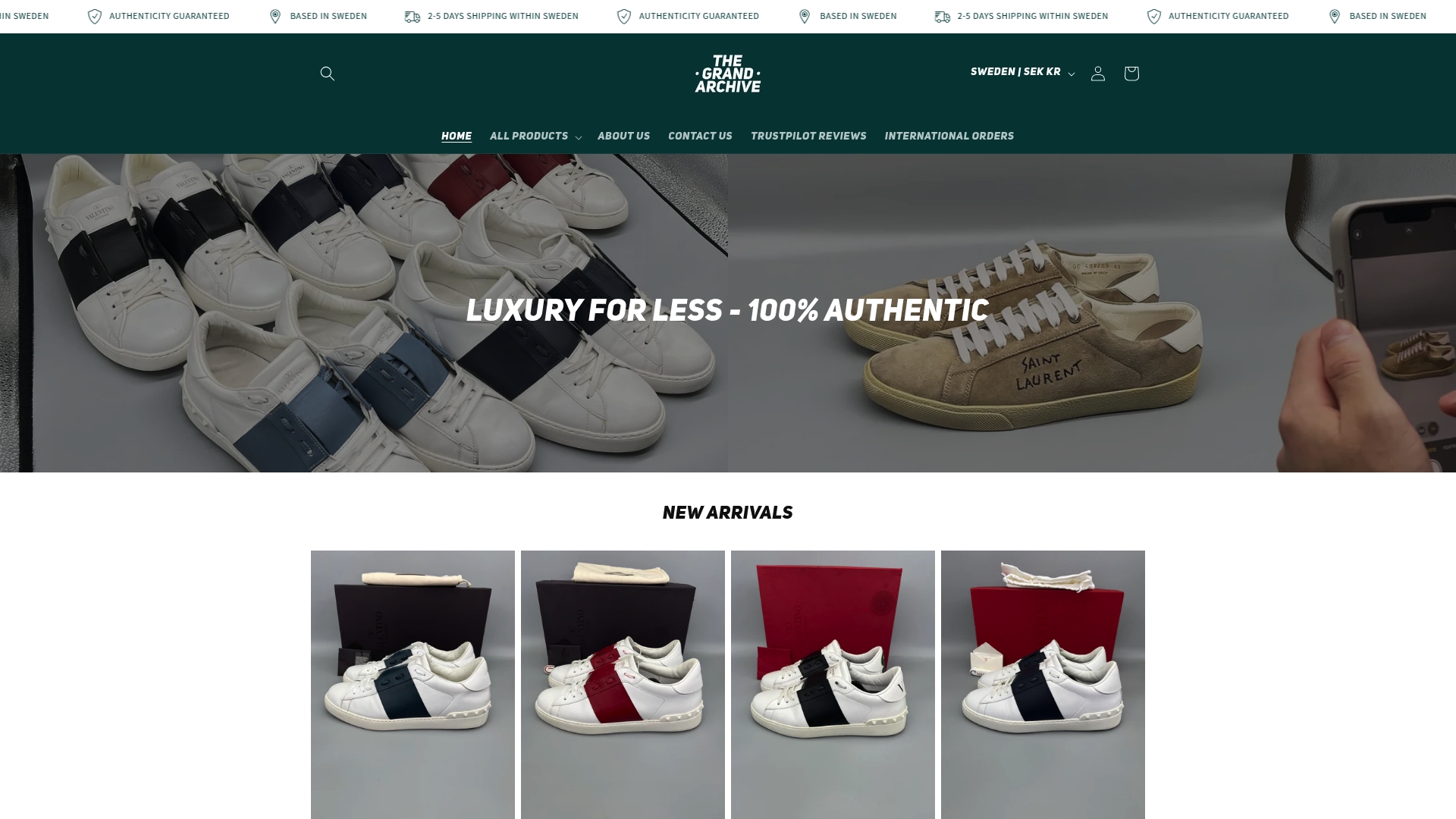
Ready to add quality, luxury, and a sense of purpose to your shopping experience? Visit The Grand Archive and explore our exclusive, high-end collections hand-selected for discerning shoppers like you. Shop now to find luxury pieces that fit both your values and your lifestyle, and make sustainable impact part of your everyday look.
Frequently Asked Questions
What are the benefits of investing in designer resale?
Investing in designer resale offers financial advantages such as potential value appreciation, access to luxury items at reduced prices, and the ability to diversify your asset portfolio while promoting sustainable fashion practices.
How does the authentication process work in designer resale?
The authentication process involves expert inspections to verify the legitimacy of luxury items. This includes examining stitching quality, material composition, brand-specific details, and proven provenance documentation to ensure each item is genuine.
Why is sustainability important in the designer resale market?
Sustainability is crucial in the designer resale market as it helps reduce textile waste, minimizes the demand for new production, and extends the lifecycle of luxury items. Participating in resale contributes to a circular economy, promoting ethical consumption and environmental responsibility.
How can I identify valuable designer items for resale?
To identify valuable designer items for resale, look for brands with strong resale value, monitor market trends and collector demand, and maintain the item’s condition. Understanding which pieces are likely to appreciate over time can enhance your investment strategy.
