

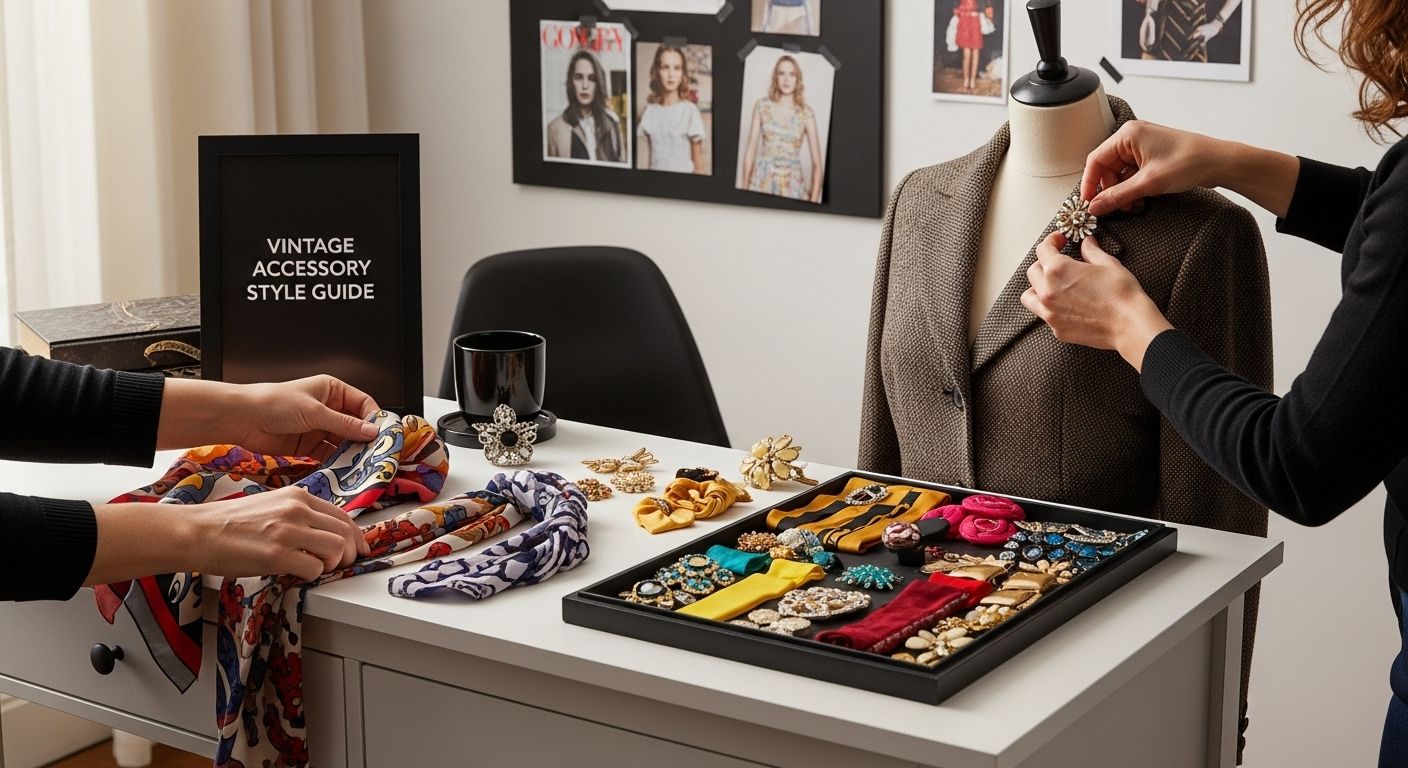
Vintage accessories are making waves with celebrities and street style icons alike. In fact, searches for vintage fashion have spiked by over 200 percent on major resale platforms in the past year. Most people think vintage is only for collectors or feels too much like playing dress up. Turns out, the real secret is about highlighting your personal style in a way that feels modern and honest—no matter what decade inspires you.
Table of Contents
Quick Summary
| Key Point | Explanation |
| 1. Identify Your Vintage Style | Explore eras that resonate with you to define your unique vintage accessory style. Embrace personal preferences. |
| 2. Curate Essential Accessories | Select timeless, high-quality pieces that can enhance various outfits, focusing on authenticity and proper care. |
| 3. Mix Vintage with Modern Fashion | Use vintage accessories as accents in modern outfits to create a balanced, stylish look that showcases your personal creativity. |
| 4. Experiment with Layering Techniques | Utilize different textures, colors, and proportions when layering vintage accessories for depth and visual interest. |
| 5. Finalize Your Look with Feedback | Assess your outfit critically and gather feedback to refine your vintage style, ensuring comfort and authenticity in your choices. |
Step 1: Identify Your Personal Vintage Style
Uncovering your personal vintage accessory style is like creating a unique fashion signature that speaks volumes about your personality and aesthetic preferences. This initial step is crucial in transforming your wardrobe from ordinary to extraordinary, allowing you to curate a collection that truly represents your individual spirit.
Begin by exploring your emotional connection to different vintage eras and their distinctive styles. Some individuals gravitate toward the structured elegance of 1950s accessories, while others might feel drawn to the bold, free spirited designs of 1970s bohemian pieces. Take time to browse vintage fashion magazines, documentaries, and online archives to understand which periods resonate most with your personal aesthetic.
As recommended by NPR’s Life Kit, start by taking inventory of your current wardrobe. Look for patterns in the pieces you already love. Do you consistently select items with geometric patterns? Are you attracted to soft, flowing materials? These preferences will guide your vintage accessory selection process.
Consider your body type and personal comfort when selecting vintage styles. Not every vintage trend will suit every individual, and that’s perfectly acceptable. Some accessories might look stunning in photographs but feel uncomfortable or impractical in daily wear. Pay attention to how different vintage pieces make you feel - confidence is the ultimate accessory.
To refine your vintage style identity, create a mood board or digital collection of images that inspire you. Use platforms like Pinterest or Instagram to save vintage looks that catch your eye. This visual research will help you recognize recurring themes in your aesthetic preferences. Look for common colors, shapes, and design elements that appear consistently in your saved images.
Remember that developing a vintage accessory style is an evolutionary process. Your taste will grow and change, so remain open to exploration and experimentation. Don’t feel pressured to commit to a single era or style - vintage fashion is about personal expression and creativity.
By the end of this step, you should have a clear vision of the vintage aesthetic that speaks to you, along with a growing collection of inspiration and potential accessory pieces that align with your newly discovered style identity.
Step 2: Curate Essential Vintage Accessories
Curating a collection of vintage accessories is an art form that transforms your wardrobe from ordinary to extraordinary. This step moves beyond simple collection and focuses on intentionally selecting pieces that will become the cornerstone of your vintage style narrative.
Start by identifying the foundational accessories that will anchor your vintage look. Invest in timeless pieces that transcend temporary trends. A well-selected vintage scarf, classic leather gloves, or an elegant brooch can elevate multiple outfits and serve as versatile statement pieces. Think of these items as investments rather than mere decorative elements.
Authenticity and condition are paramount when selecting vintage accessories. Not all vintage pieces are created equal, and discerning quality requires a trained eye. Examine potential accessories carefully for signs of wear, potential restoration needs, and overall structural integrity. Minor imperfections can add character, but significant damage might compromise the piece’s functionality and aesthetic appeal.
According to the Vintage Fashion Guild, proper care is essential in maintaining the longevity of vintage accessories. Before purchasing, assess the cleaning and preservation requirements. Some vintage items might need specialized cleaning techniques or storage conditions to maintain their original beauty.
Consider building a versatile collection that offers mix-and-match potential. Select accessories in neutral colors and classic designs that can complement multiple outfits across different eras. A black leather clutch from the 1960s or a silk scarf with a timeless print can seamlessly transition between various style contexts.
Budget strategically when curating your vintage accessories. While some pieces might require significant investment, others can be found at more accessible price points. Explore vintage markets, online marketplaces specializing in vintage goods, and consignment stores. Each shopping avenue offers unique opportunities to discover remarkable pieces that align with your personal style.
Develop a systematic approach to cataloging and storing your growing vintage accessory collection. Create a dedicated space that protects these delicate items from dust, direct sunlight, and potential damage. Consider using acid-free tissue paper, padded hangers, and climate-controlled storage solutions to preserve the integrity of your treasured pieces.
By the conclusion of this step, you should have a carefully curated collection of vintage accessories that not only reflects your personal style but also demonstrates a thoughtful approach to selection, preservation, and styling.
Here is a concise overview table summarizing the main steps to developing your vintage accessory style, including the goal of each step and relevant considerations.
| Step | Key Action | Goal/Purpose | Special Considerations |
| 1 | Identify personal vintage style | Define your vintage aesthetic | Consider era preferences, body type, and comfort |
| 2 | Curate essential vintage accessories | Build a quality collection | Focus on authenticity, condition, and versatility |
| 3 | Combine accessories with modern outfits | Achieve a balanced, modern look | Ensure balance, color coordination, and proportion |
| 4 | Experiment with layering techniques | Add depth and creativity | Use different textures, eras, and placement |
| 5 | Finalize look and gain feedback | Refine and ensure authenticity | Self-assess and seek constructive feedback |
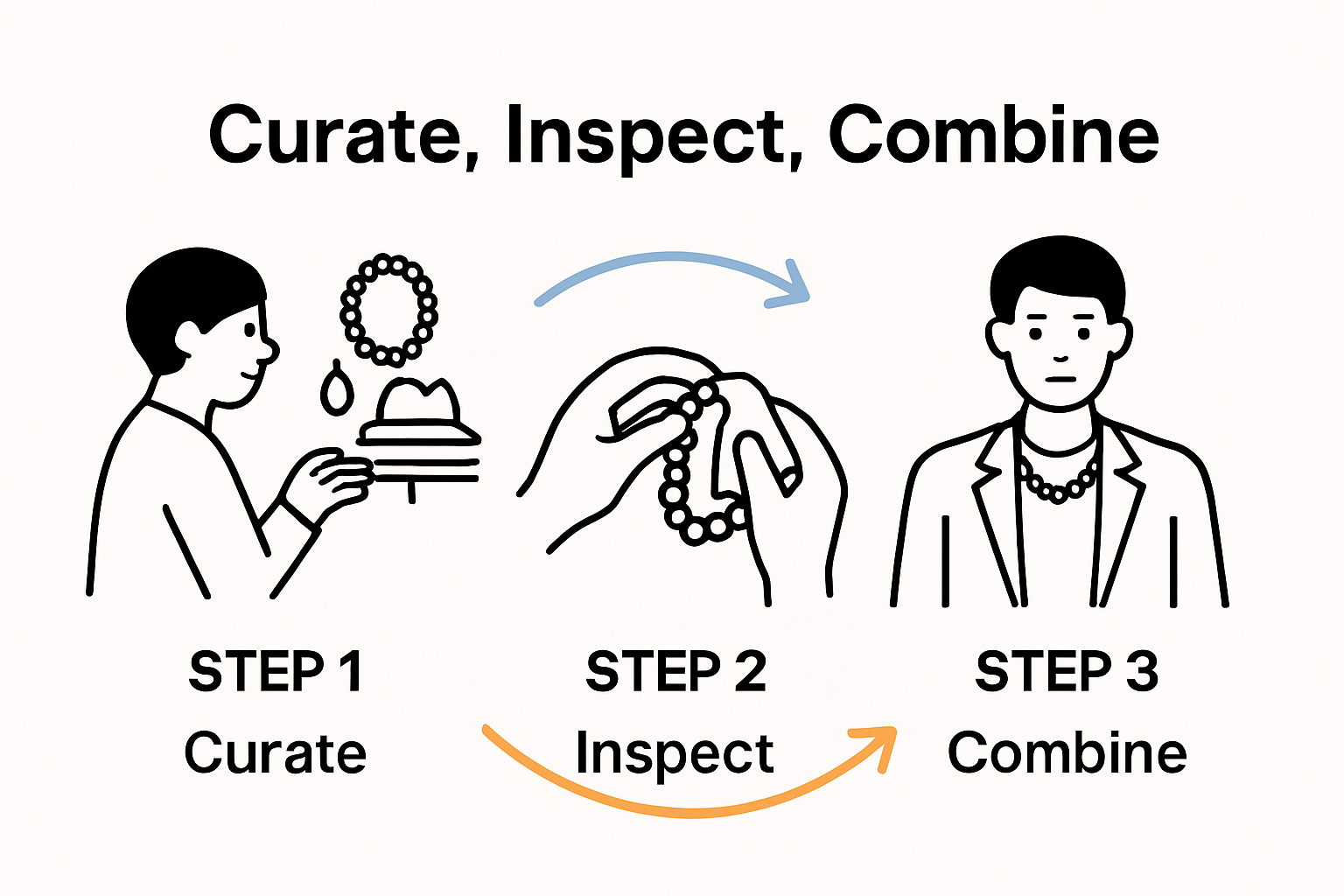
Step 3: Combine Accessories with Modern Outfits
Blending vintage accessories with contemporary clothing is an art form that transforms your personal style into a unique narrative. This step bridges the gap between historical fashion elements and modern wardrobe selections, creating a look that is both timeless and current.
Balance is the key to successfully integrating vintage accessories with modern outfits. Think of your vintage pieces as strategic accents that elevate rather than overwhelm your ensemble. A delicate 1950s brooch can add sophistication to a minimalist blazer, while a vintage silk scarf can transform a simple white t-shirt and jeans combination into a statement outfit.
According to research exploring vintage revival trends, contemporary fashion increasingly embraces nostalgic elements. This means you have more flexibility in mixing eras and styles than ever before. Modern fashion appreciates the storytelling potential of vintage accessories.
Start by selecting one vintage accessory as your focal point and building your outfit around it. If you have a striking 1960s leather handbag, pair it with clean, contemporary lines like a structured blazer or a sleek midi dress. The contrast between vintage and modern creates visual interest and demonstrates your styling sophistication.
Color coordination plays a crucial role in successful vintage-modern integration. Look for complementary color palettes that create harmony between your vintage accessory and contemporary clothing. A vintage emerald green brooch can beautifully accent a neutral modern outfit, while a classic gold chain necklace can add warmth to a monochromatic ensemble.
Consider the scale and proportion of your vintage accessories when styling modern outfits. Oversized vintage statement pieces work wonderfully with streamlined contemporary clothing, creating a dynamic visual balance. A large 1970s geometric pendant necklace can become a conversation piece when worn with a simple black turtleneck and tailored trousers.
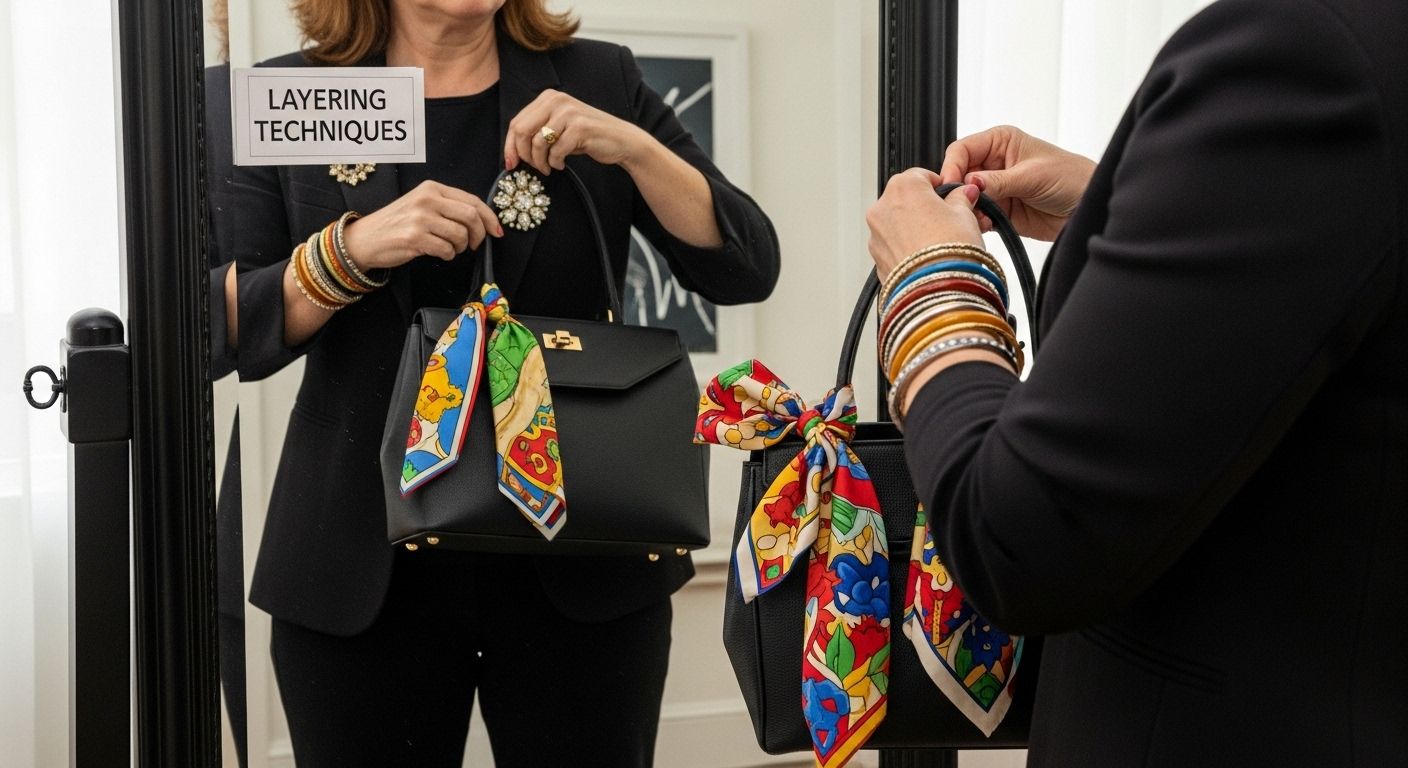
Don’t be afraid to experiment and break traditional styling rules. Vintage accessories are about personal expression and creativity. Mix textures, play with unexpected combinations, and trust your instincts. A vintage silk scarf might look stunning tied to the handle of a modern leather tote, or a classic brooch could add unexpected elegance to a leather jacket.
By the end of this step, you should feel confident in your ability to seamlessly integrate vintage accessories into contemporary outfits. Your selections will reflect a nuanced understanding of fashion history and personal style, creating looks that are both nostalgic and refreshingly modern.
Step 4: Experiment with Layering Techniques
Layering vintage accessories is an art form that transforms ordinary outfits into extraordinary fashion statements. This step explores the nuanced techniques of combining different vintage pieces to create depth, texture, and visual intrigue in your overall look.
Start by understanding the fundamental principles of strategic layering. Think of your accessories as visual storytellers, each piece contributing to a broader narrative about your personal style. A delicate vintage silk scarf can be elegantly draped over a structured leather jacket, while a collection of vintage brooches can create a dynamic focal point on a simple coat lapel.
According to research exploring innovative fashion practices, layering is more than simply adding multiple items - it’s about creating intentional visual relationships between different elements. Consider the weight, texture, and color of your vintage accessories when planning your layers. A chunky 1970s chain necklace might pair beautifully with a thin, delicate gold pendant from the 1950s, creating a multi-dimensional accessory story.
Color and texture are your primary tools in successful layering. Select vintage accessories that complement each other without competing for attention. Experiment with monochromatic layers in different textures - like a velvet vintage scarf paired with a silk vintage handkerchief - to add depth and sophistication to your outfit.
Understand the visual weight of your accessories. Larger, statement pieces should typically serve as anchors, with smaller, more delicate items providing subtle embellishment. A dramatic vintage belt can define a silhouette, while smaller vintage pins can add intricate details to the overall composition.
Don’t be afraid to break traditional styling rules. Mixing metals, combining seemingly incompatible textures, and challenging conventional accessory placement can result in uniquely personal looks. A vintage brooch worn asymmetrically on a blazer or a silk scarf tied unconventionally around a handbag handle demonstrates creative styling confidence.
Practice the art of subtle contrast. Layer vintage accessories from different eras to create visual tension. A sleek 1960s minimalist brooch can provide fascinating contrast when paired with an ornate 1920s beaded clutch. These unexpected combinations tell a rich, complex style narrative.
Remember that layering is an intuitive process. Trust your creative instincts and don’t be discouraged by initial experiments that might not work perfectly. Each attempt helps you refine your understanding of how vintage accessories interact and complement each other.
By the end of this step, you should feel empowered to create multi-dimensional looks that showcase your vintage accessories as dynamic, interconnected elements of your personal style.
Step 5: Finalize Your Look and Gain Feedback
Finalizing your vintage accessory style is a nuanced process that requires self-reflection, external perspective, and a willingness to refine your approach. This step transforms your carefully curated vintage accessories from individual pieces into a cohesive, personalized fashion statement.
Begin with a comprehensive mirror assessment of your entire ensemble. Stand in natural lighting and critically examine how your vintage accessories interact with your modern outfit. Look for balance, proportion, and the overall emotional resonance of your look. Does the combination tell the story you want to communicate? Are the accessories enhancing or overwhelming your outfit?
According to research in fashion studies, personal style is deeply contextual and reflects individual identity. This means your vintage accessory look should feel authentic to your personality, not just a costume or trend imitation.
Seek feedback from trusted sources who understand your style vision. Select individuals who will provide honest, constructive commentary - this might be fashion-forward friends, style-conscious family members, or online communities dedicated to vintage fashion. Take their observations as suggestions, not absolute rules. Some feedback will resonate, while other comments might not align with your personal aesthetic.
Photograph your outfit from multiple angles to gain a more objective perspective. Digital documentation allows you to review your look with emotional distance, helping you identify potential adjustments. Pay attention to how accessories sit, move, and interact with your clothing in different poses and lighting conditions.
Consider the practical functionality of your vintage accessories alongside their aesthetic appeal. A beautiful vintage brooch might look stunning, but if it constantly shifts or feels uncomfortable, it may not be the right piece for your lifestyle. Comfort and wearability are as important as visual impact.
Be prepared to make subtle refinements. Sometimes, moving an accessory slightly or swapping one piece for another can dramatically improve an outfit’s overall balance. Trust your intuition while remaining open to experimentation. The goal is to create a look that feels simultaneously nostalgic and contemporary.
This checklist table helps you ensure all important elements are reviewed before finalizing your vintage accessory look, based on the key actions and self-assessment strategies outlined in the guide.
| Checklist Item | Purpose | Notes |
| Assess outfit balance | Achieve proportion and harmony | Review in natural lighting |
| Check accessory comfort | Ensure wearability | Replace anything uncomfortable |
| Consider style authenticity | Maintain personal style integrity | Avoid costume-like looks |
| Solicit feedback | Gain external perspective | Ask trusted, style-savvy friends |
| Photograph your outfit | Gain an objective view | Review from different angles |
| Test for practicality | Confirm accessory stays in place | Adjust if necessary |
| Make subtle refinements | Perfect your look | Trust your intuition and be flexible |
Remember that developing your vintage accessory style is an ongoing journey. Your taste will evolve, and your collection will grow. Each outfit is an opportunity to learn more about your personal aesthetic, to understand how vintage pieces can express your unique personality.
By the conclusion of this step, you should feel confident in your ability to curate and style vintage accessories. Your look should reflect a thoughtful blend of historical fashion elements and personal creativity, telling a story that is authentically and uniquely yours.
Elevate Your Vintage Accessory Story with The Grand Archive
You have carefully explored how to identify your personal vintage style, curate essential accessories, and blend them seamlessly with modern outfits. Yet, sourcing authentic vintage items that match your vision and meet high-quality standards can be a major challenge. Many stylish individuals struggle to find pieces that are both genuine and in excellent condition, making it difficult to craft a wardrobe that feels uniquely theirs and truly sustainable.
Find your next signature accessory in our expertly authenticated collection. All our pieces at The Grand Archive are chosen with an emphasis on timeless design, quality, and responsible luxury. Shopping our catalog means you no longer have to compromise between authenticity, price, and sustainability. Each item passes a rigorous authentication process, giving you peace of mind as you build your distinctive look using genuine vintage fashion.
Ready to transform your inspiration into reality and create unforgettable outfits with premium, sustainable fashion? Visit The Grand Archive now and discover the vintage accessories that will become the highlight of your personal style. Take action today and join a fashion-forward community committed to accessible luxury and a greener tomorrow.
Frequently Asked Questions
How can I identify my personal vintage accessory style?
To identify your personal vintage accessory style, explore your emotional connection to different vintage eras and styles. Look for patterns in the pieces you love, consider your body type for comfort, and create a mood board of inspiring images to recognize recurring themes in your aesthetic preferences.
What are some essential vintage accessories that I should consider curating?
Some essential vintage accessories to consider include timeless pieces like vintage scarves, classic leather gloves, and elegant brooches. These foundational items can elevate your outfits and serve as versatile statement pieces that complement various styles.
How do I effectively combine vintage accessories with modern outfits?
To effectively combine vintage accessories with modern outfits, start by selecting one vintage piece as the focal point of your look. Ensure color coordination and balance the scale and proportion of your accessories with your contemporary clothing to create visual harmony.
What layering techniques can I use with vintage accessories?
When layering vintage accessories, focus on strategic layering principles by mixing different textures, colors, and eras. Aim for complementary accessories that tell a cohesive story, and be open to experimenting with unconventional placements to enhance the overall look.
